Pumps in Series vs Parallel: How Curves, Flow, and Head Combine
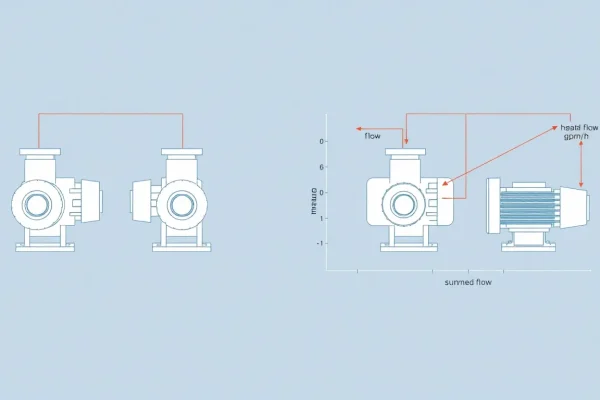
Understanding how centrifugal pump performance changes when units are placed in series or parallel is essential for reliable system design. This article explains the…
PumpCalcs reference library
Understanding how centrifugal pump performance changes when units are placed in series or parallel is essential for reliable system design. This article explains the…
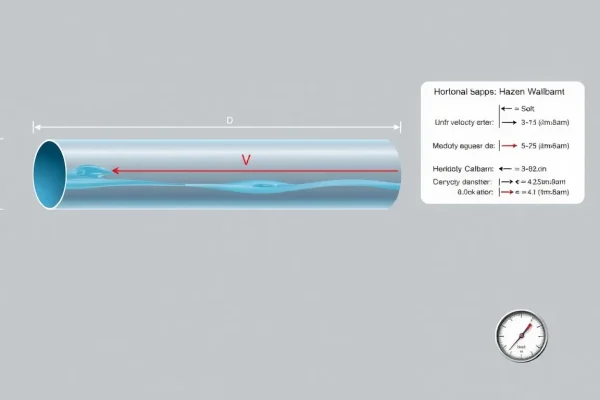
Friction loss quantifies the pressure drop caused by fluid friction in a pipe and is essential for accurate pump selection and system design. This…
This article provides a standards‑based, step‑by‑step guide for pump commissioning and start‑up. It covers NPSH calculations, performance verification, safety considerations, and practical tips to…
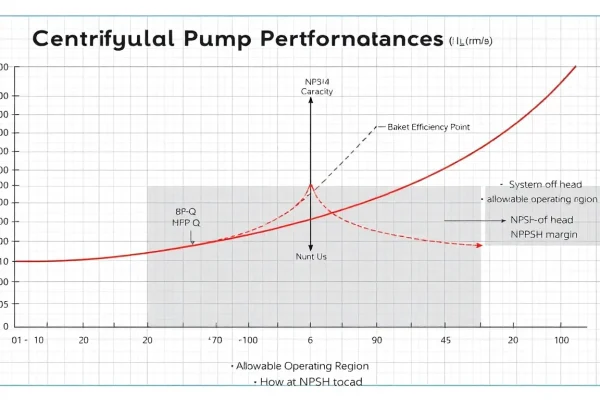
A pump performance curve graphically relates flow rate to head, power, efficiency, and NPSH required. Learning to read these curves is essential for selecting…
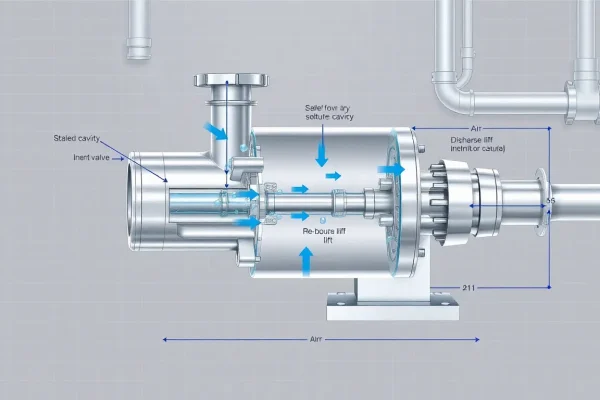
Self‑priming pumps can lift liquid from a dry suction condition without external boosters. This article explains the hydraulic principle, key design equations, typical performance…
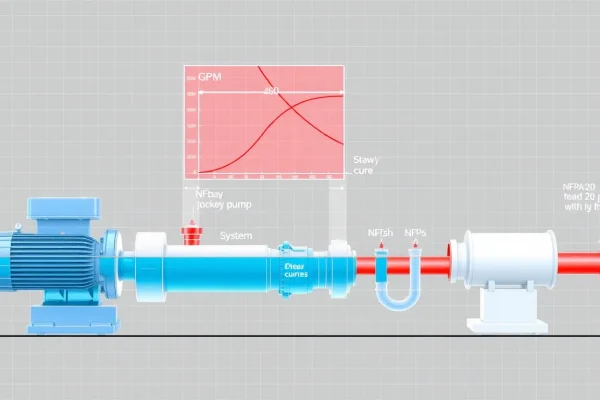
A fire pump must deliver the flow and pressure demanded by the fire‑protection system while meeting NFPA 20’s stringent reliability and testing standards. This article…
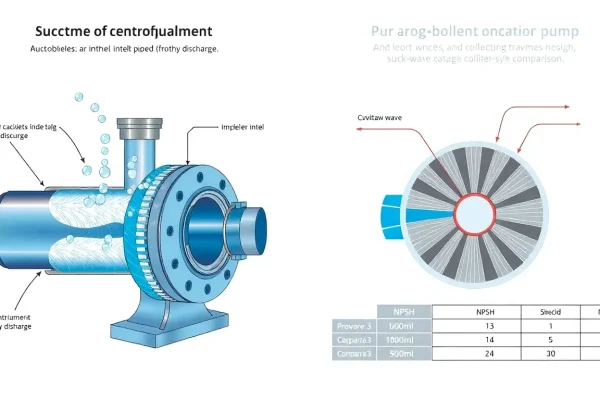
Air entrainment and cavitation are distinct phenomena that can both degrade pump performance, yet they have different causes and signatures. This article explains the…
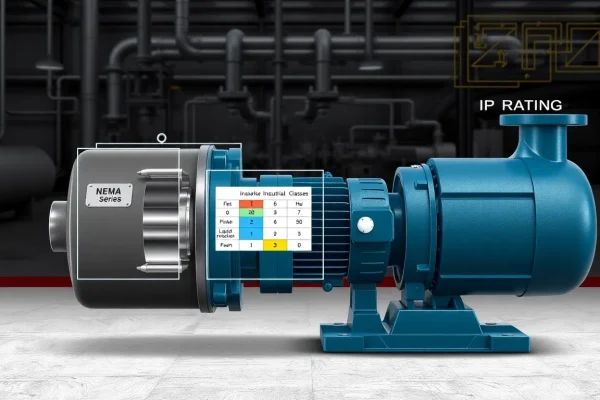
A thorough guide to motor enclosures, insulation classes, and IP ratings that affect pump reliability and safety. Learn the standards, key facts, selection methods,…
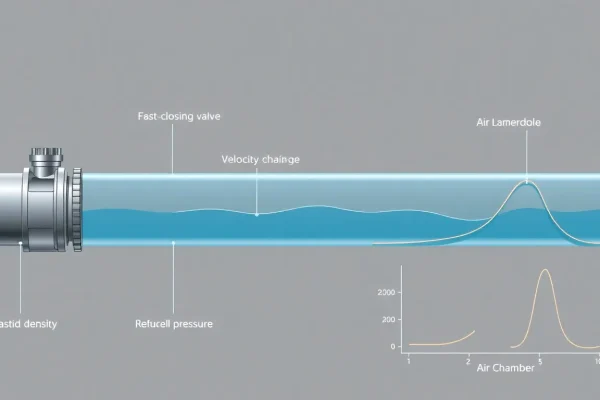
Water hammer is a rapid pressure surge caused by sudden changes in fluid velocity. This article explains the Joukowsky equation, walks through US and…
Pump manufacturers express performance in feet of head because head directly represents the energy added to the fluid per unit weight, independent of fluid…