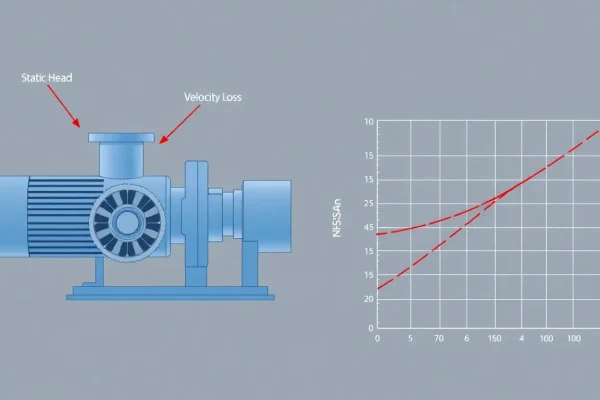
Pump Not Pumping? A Step-by-Step Diagnostic Sequence
When a pump fails to develop the expected flow, a systematic diagnostic sequence quickly isolates the cause and prevents equipment damage. This article presents…
PumpCalcs reference library
When a pump fails to develop the expected flow, a systematic diagnostic sequence quickly isolates the cause and prevents equipment damage. This article presents…
Choosing the right booster pump for a home involves calculating the total dynamic head and the peak flow demand, then matching those values to…
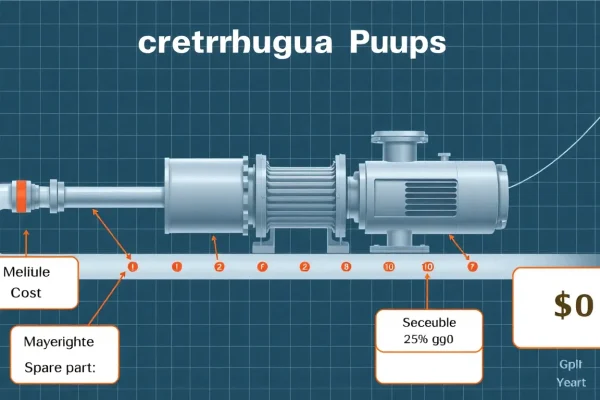
A systematic approach to evaluate the total cost of owning and operating a pump, balancing capital outlay with energy, maintenance, and downtime expenses. This…
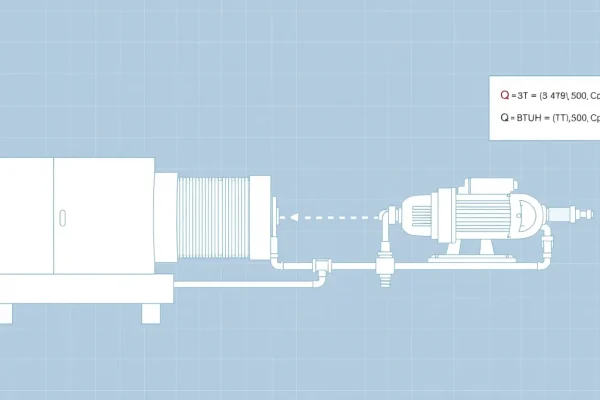
Learn how to convert heating or cooling loads expressed in BTU/h into the required water or glycol flow in gallons per minute for HVAC…
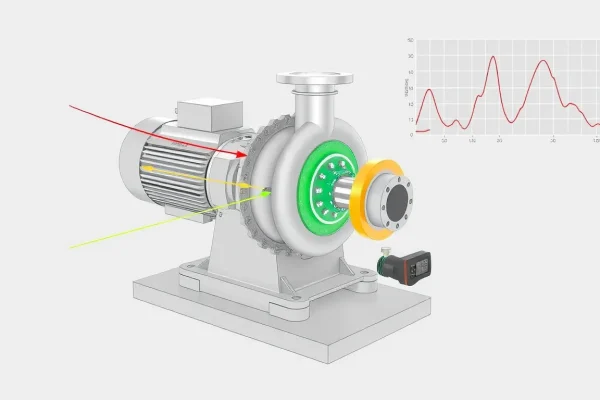
Excessive vibration in a pump can signal mechanical imbalance, mis‑alignment, cavitation, or bearing wear, leading to reduced efficiency, premature failure, and safety hazards. This…
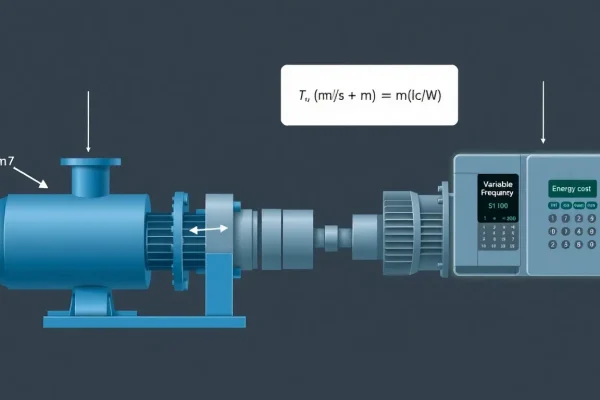
Understanding the true cost of running a pump is essential for reliable plant budgeting. This guide walks you through the physics, equations, and practical…
Choosing appropriate fluid velocities in suction and discharge piping is essential to avoid cavitation, excess friction loss, and premature wear. This article presents the…
Multistage pumps stack two or more impellers in series to achieve pressures far beyond a single‑stage centrifugal pump. This article explains the governing equations,…
Net Positive Suction Head (NPSH) determines whether a centrifugal pump will cavitate. This article clarifies the difference between available NPSH (NPSHa) and required NPSH…
K‑factors and equivalent length provide engineers with two practical ways to quantify the head loss introduced by valves, elbows, tees and other pipe fittings.…