Why Your Pump Has Low Flow or Low Pressure: 12 Causes to Check
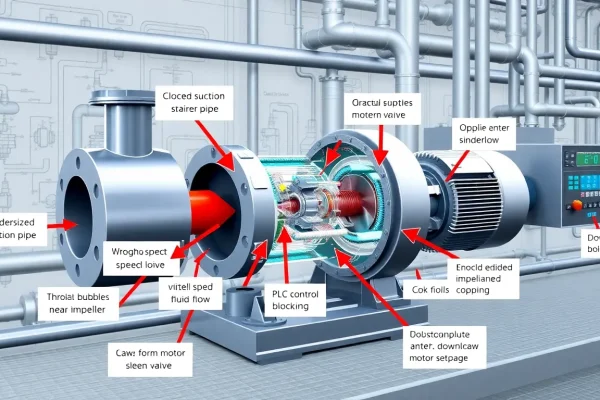
Low flow or low pressure in a pump system can cripple processes and waste energy. This article outlines the twelve most common reasons for…
PumpCalcs reference library
Low flow or low pressure in a pump system can cripple processes and waste energy. This article outlines the twelve most common reasons for…
Full Load Amps (FLA) and power factor are the core electrical parameters that dictate how a pump motor is sized, protected, and installed. This…
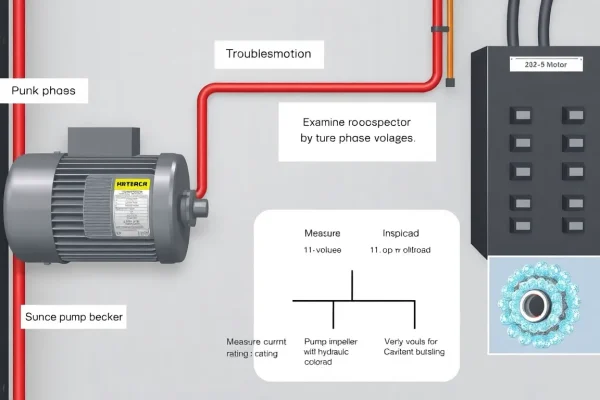
When a pump motor repeatedly trips its circuit breaker, the problem can range from simple wiring errors to serious mechanical overloads. This article outlines…
Specific speed and suction specific speed are dimensionless (or quasi‑dimensionless) indices that classify pump impeller geometry, predict performance curve shape, and quantify suction capability.…
Hydraulic power, brake horsepower, and motor power describe three distinct stages of energy transfer in a pump system. Understanding their definitions, relationships, and conversion…
A comprehensive reference on calculating dosing rates for chemical metering pumps, selecting the appropriate pump, and avoiding common pitfalls. Includes governing equations, US and…
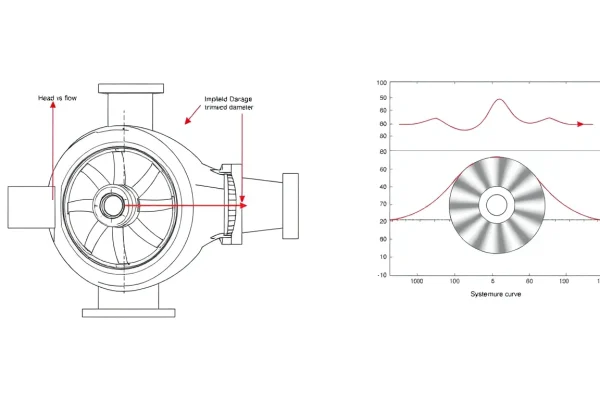
The pump affinity laws are fundamental scaling relationships that predict how centrifugal pump performance changes when rotational speed or impeller diameter is varied. Flow…
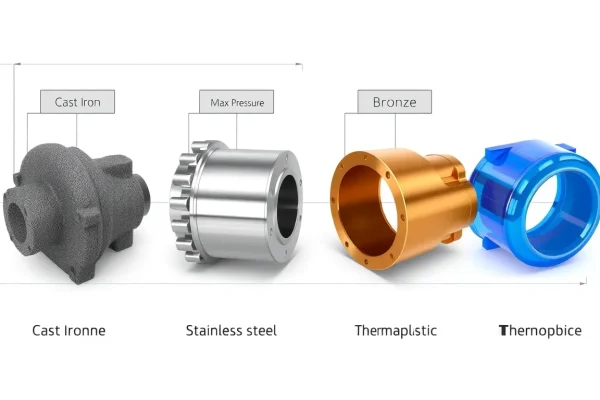
Choosing the right pump material of construction is critical for durability, efficiency, and safety. This reference examines cast iron, stainless steel, bronze, and thermoplastics,…
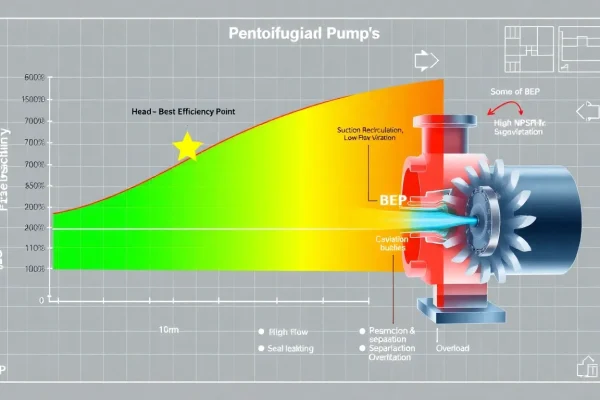
The Best Efficiency Point (BEP) is the flow rate and head at which a centrifugal pump operates with maximum hydraulic efficiency. Sustained operation far…
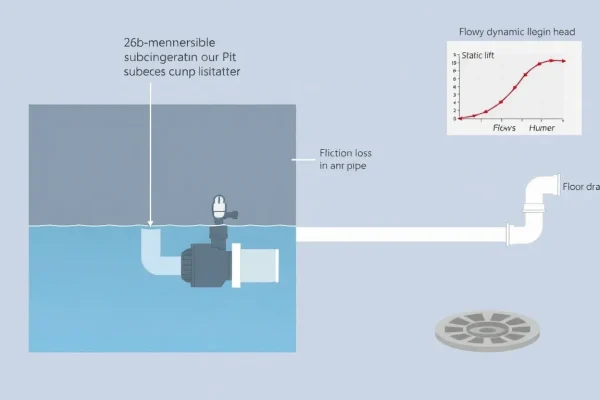
Properly sized sump pumps keep basements dry and equipment protected. This article explains how to measure inflow, calculate total dynamic head, and select a…