Hazen-Williams C Values for Common Pipe Materials
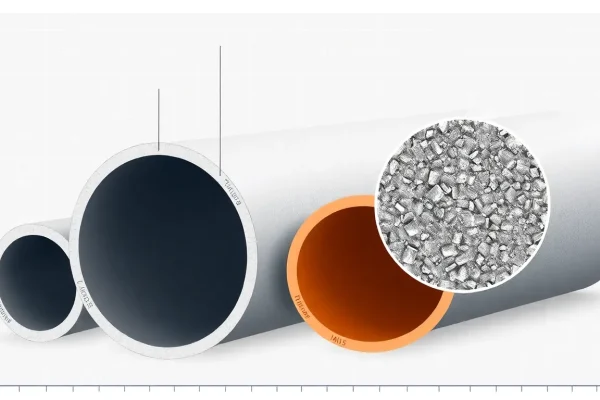
The Hazen‑Williams C coefficient quantifies the internal roughness of pipe materials and directly influences friction‑loss calculations in water distribution systems. This article compiles typical…

PumpCalcs reference library
Methods to size pumps and design piping networks for optimal performance.
The Hazen‑Williams C coefficient quantifies the internal roughness of pipe materials and directly influences friction‑loss calculations in water distribution systems. This article compiles typical…
Understanding pipe roughness is essential for accurate head‑loss calculations in pump and piping design. This reference compiles standard roughness values, explains the governing equations,…
A steel pipe schedule chart translates nominal pipe size into actual dimensions—outside diameter, wall thickness, and inside diameter. Understanding these relationships is essential for…
Learn the essential steps to correctly size a pump by calculating flow, total dynamic head, and determining the duty point. This guide covers core…
Choosing the right well pump for a residential water system hinges on accurate sizing. This article compares submersible and jet pumps, explains the governing…
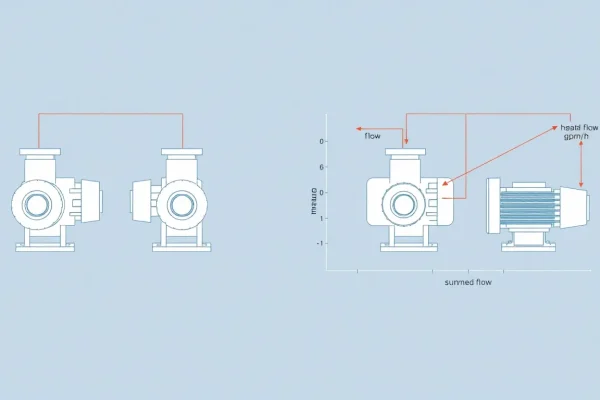
Understanding how centrifugal pump performance changes when units are placed in series or parallel is essential for reliable system design. This article explains the…
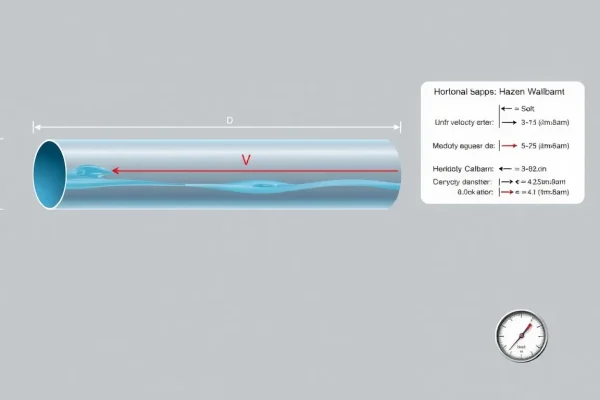
Friction loss quantifies the pressure drop caused by fluid friction in a pipe and is essential for accurate pump selection and system design. This…
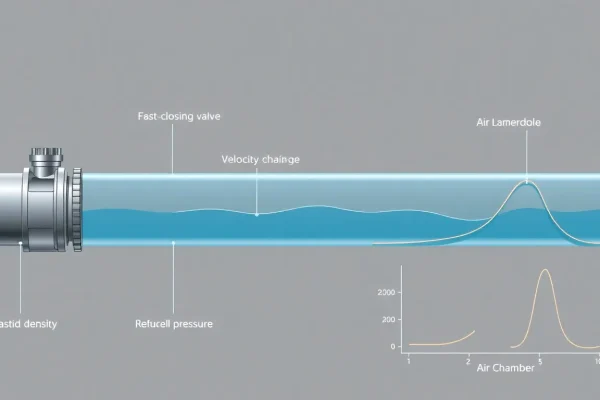
Water hammer is a rapid pressure surge caused by sudden changes in fluid velocity. This article explains the Joukowsky equation, walks through US and…
Choosing the right booster pump for a home involves calculating the total dynamic head and the peak flow demand, then matching those values to…
Learn how to convert heating or cooling loads expressed in BTU/h into the required water or glycol flow in gallons per minute for HVAC…